Progression

This week, there is an assignment to complete. The deliverable is a 7-minute (maximum) Pecha Kucha-style reflective presentation. The slides and commentary must take the audience on my photographic journey.

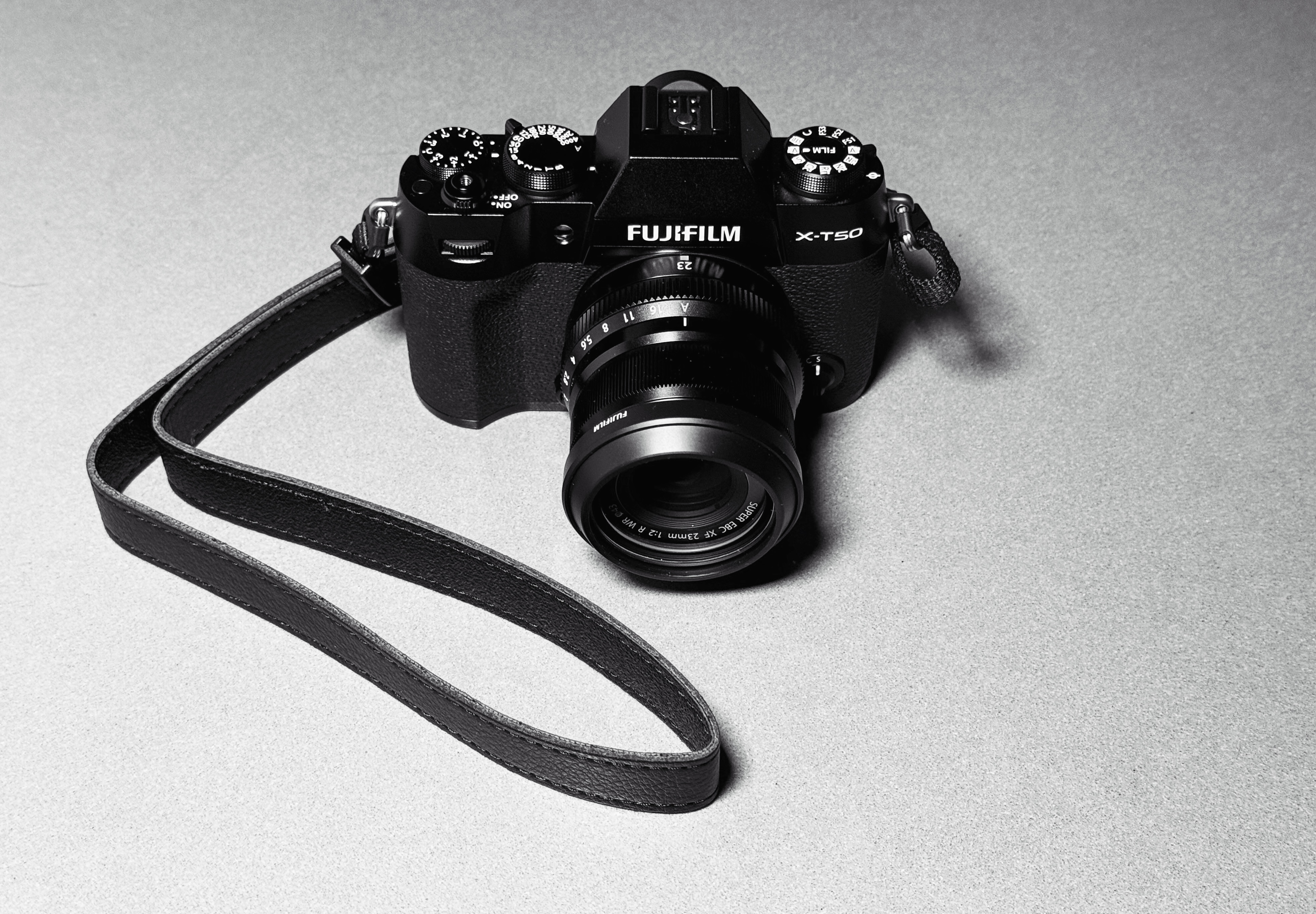
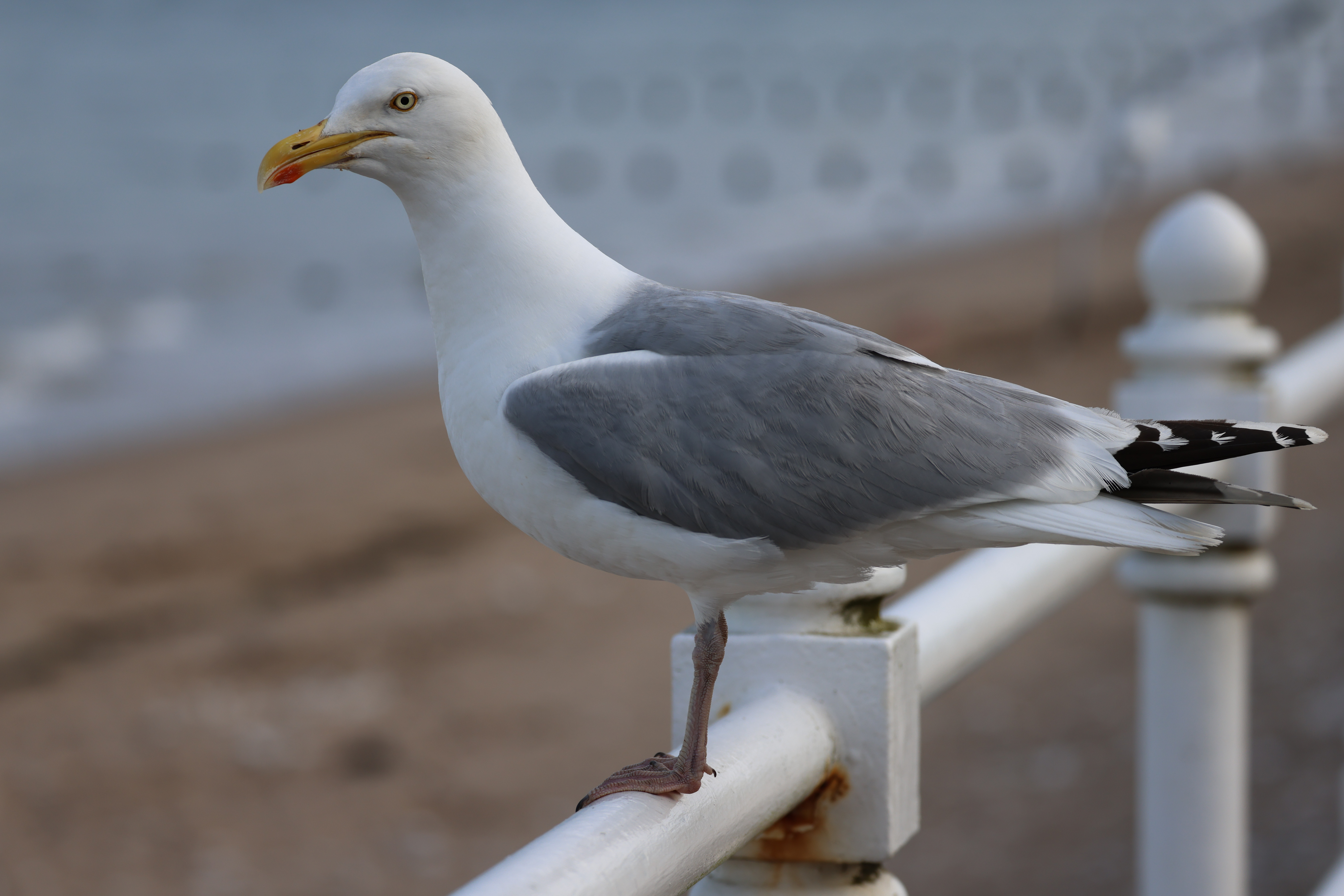
I started photography by taking record shots of various birds I saw on my travels. Some birds might be very common, while others might be unusual or in an unusual location. And for these, the powers that be like to see a record shot. I wouldn’t need it for my gull, but I might for an American Robin in London. As you can imagine, these shots are often snatched glimpses of a moving target. Composition and lighting aren’t priorities.

So I had many (thousands) images (snapshots) of various birds and actually other wildlife captured over many years.

As I have become more interested in photography, so the range of subjects I have approached has expanded.
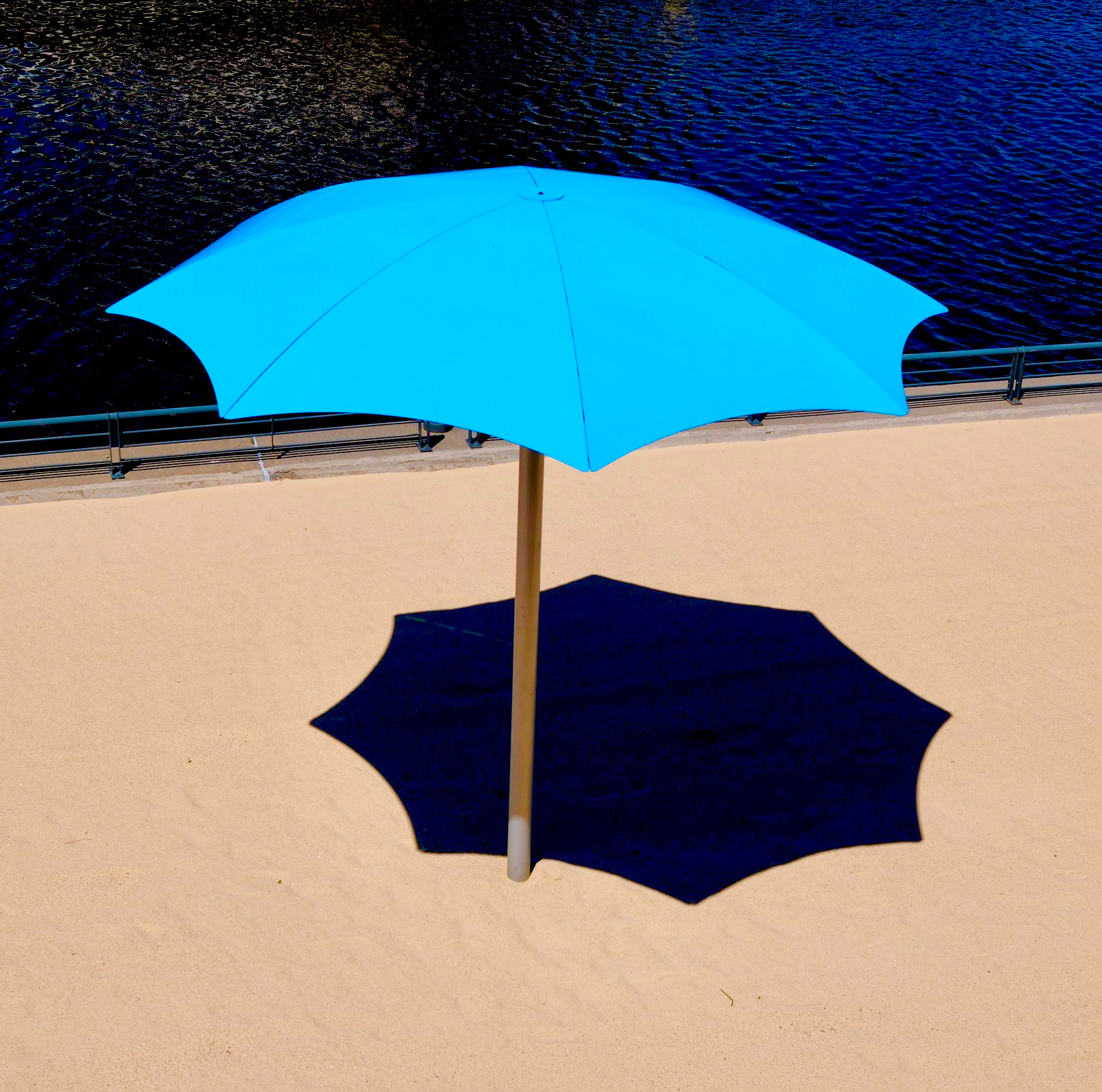
I have become experimental at times, looking at colour and shadows. This umbrella caught my eye in Montreal.
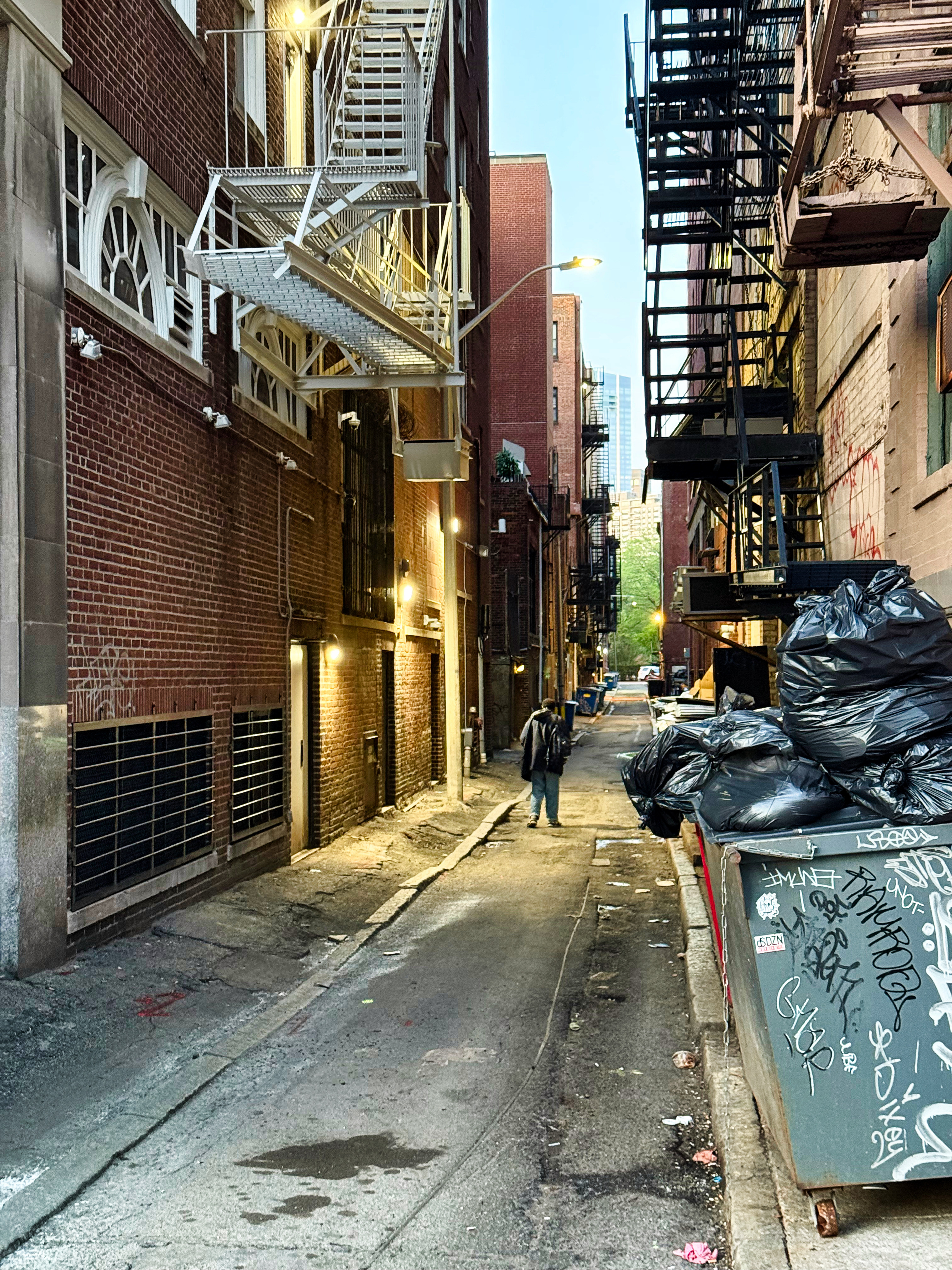
And I have picked up on themes; one project photographing alleys in Boston (above) and other major cities.

My approach has evolved. My photography has become more thoughtful, and I now make far fewer images. This is partly because I ask whether the scene adds value to a potential audience, and partly because each image takes longer to compose now. This is a very good thing. I still have a long way to go – but I have some idea of the road ahead.

Now…..onto that slide deck.
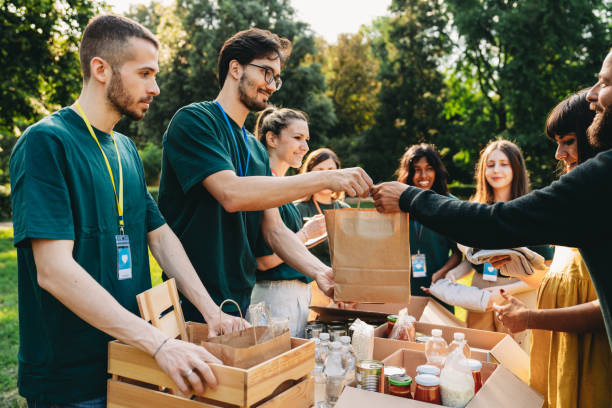
Volunteers

Filippo Bacci (Image sourced Getty Images)

This week’s task calls for some research. I’ll share more details about my chosen project in a future post, but a central theme will be volunteers. Before creating images, the course requires research to establish how other photographers may have covered the subject of my project. This week, I will access the online library and other sources to see previously published work covering volunteers. There are many images in a style similar to the one above by Filippo Bacci. The picture is very literal; it leaves little to the imagination. The volunteers are signified by a uniform; one wears a lanyard. The packages are being passed from left to right. The recipients’ dignity is protected by minimizing their presence in the frame. There is enough to show the recipients are happy.

I want to work a different angle. The viewer will be able to appreciate the theme, but in the context of staff supporting customers ot patrons. My volunteers will be covering a variety of jobs, including some that are technically demanding. I have no fixed idea of where the project will end. Instead, I will look for inspiration as I begin to build the collection of images.

The university provides access to academic journals as well as seminal texts that sit on an extensive reading list. This both provides a large target set to base the research on and requires discipline. It would be easy to go too wide and lose focus. Falmouth promotes a research/practice model. Once I have a research baseline, I will make images, and then the process repeats. My own images themselves become research material.

Play

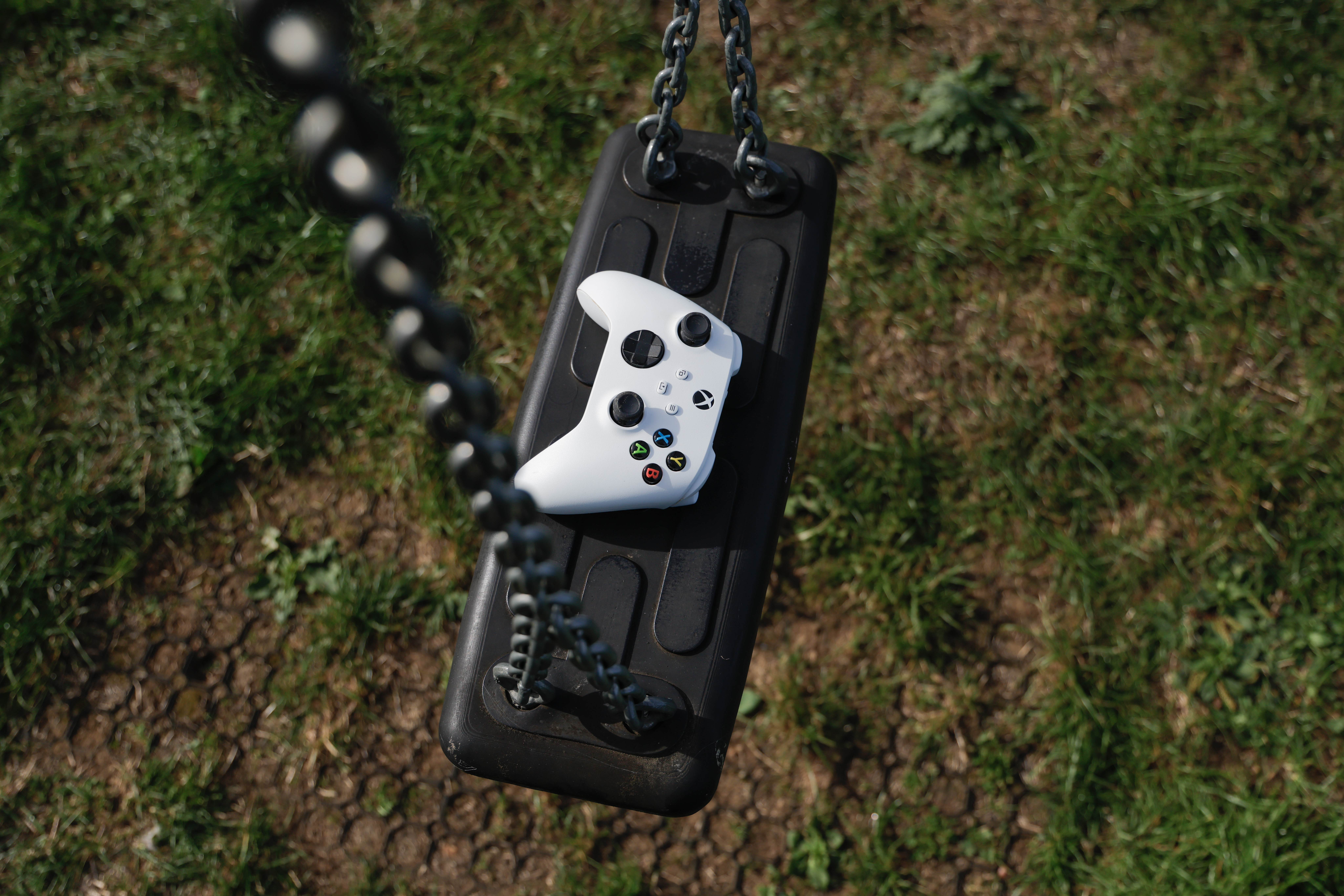
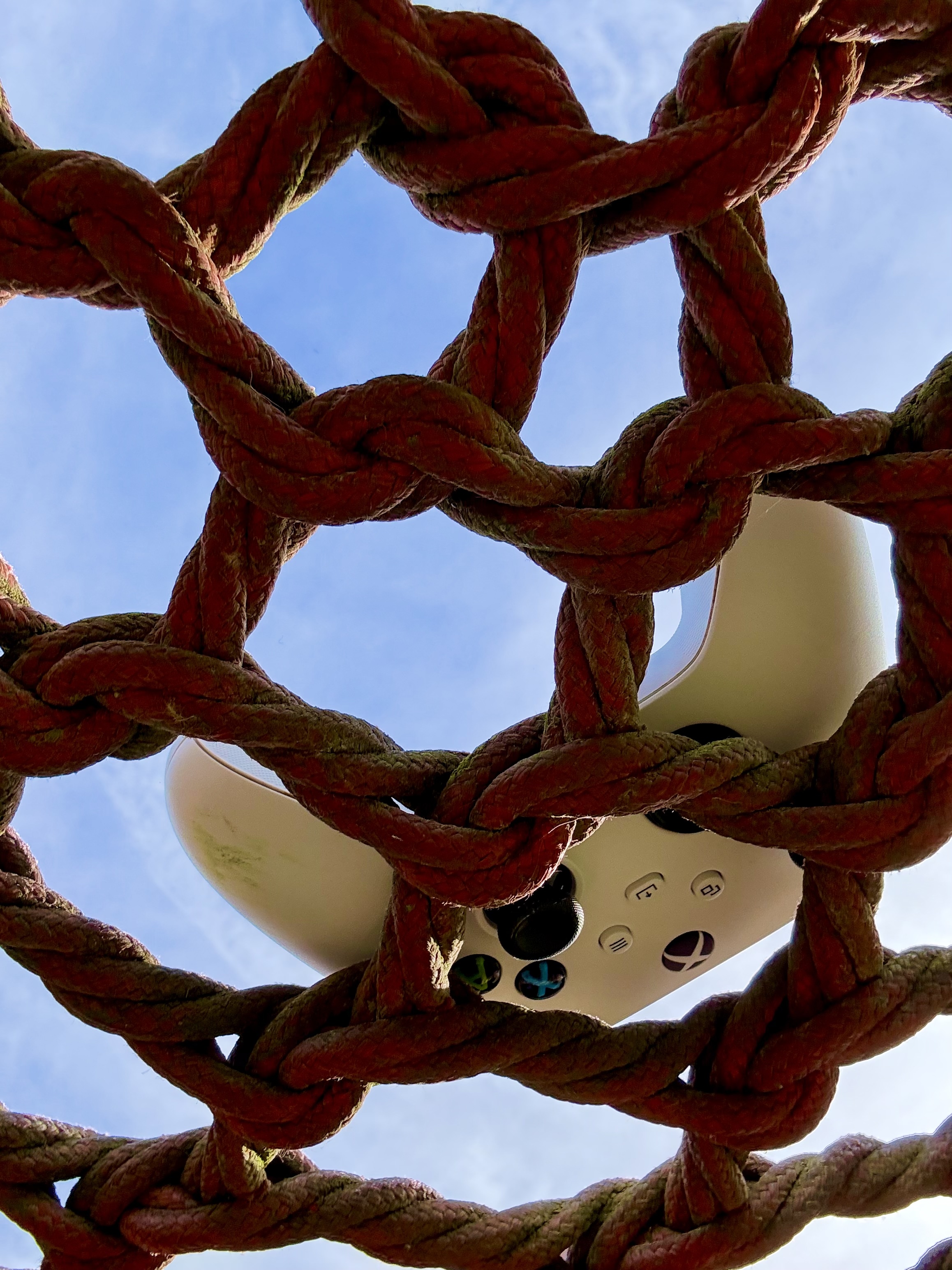
This week’s theme for the course is “Play”. Our course leader led a seminar and began by explaining that failure is not only acceptable; it is also almost necessary to achieve results in a creative environment. And so, to the first group exercise. I joined a peer-led webinar with two other members of our cohort, and after a discussion about the brief, we decided to create images in the playground setting, placing devices where children should be. There is much debate around screen time for minors, and we are seeing various governments begin to restrict the amount of time children can access various platforms.

The group will create a portfolio that is playful in its content but carries a message.

I completed my initial shoot this morning, and the words around the need to fail definitely rang true. Given that the shoot was on a playground, I needed to ensure it was empty before going to work — both for practical and safeguarding reasons. The clouds parted just before the shoot, and my choice of a white prop in full sun proved challenging.

The other challenge was shooting a small prop on large equipment. The images must portray an image. The context needs to be clear. I am hoping that when we group all of our images, the context can be established because I prefer my close-ups to the wider shots.

I enjoyed having a brief and needing to think about shots for a theme I had no preconceptions about. Working with a couple of cameras to overcome the harsh light, working quickly out of necessity, and coming away with a starting point made this first trip worthwhile.

Wrestling with ideas

The welcome week is over. I have attended introductory webinars and alternated between feeling motivated and excited and asking, “Do I belong here?” Hopefully I belong.

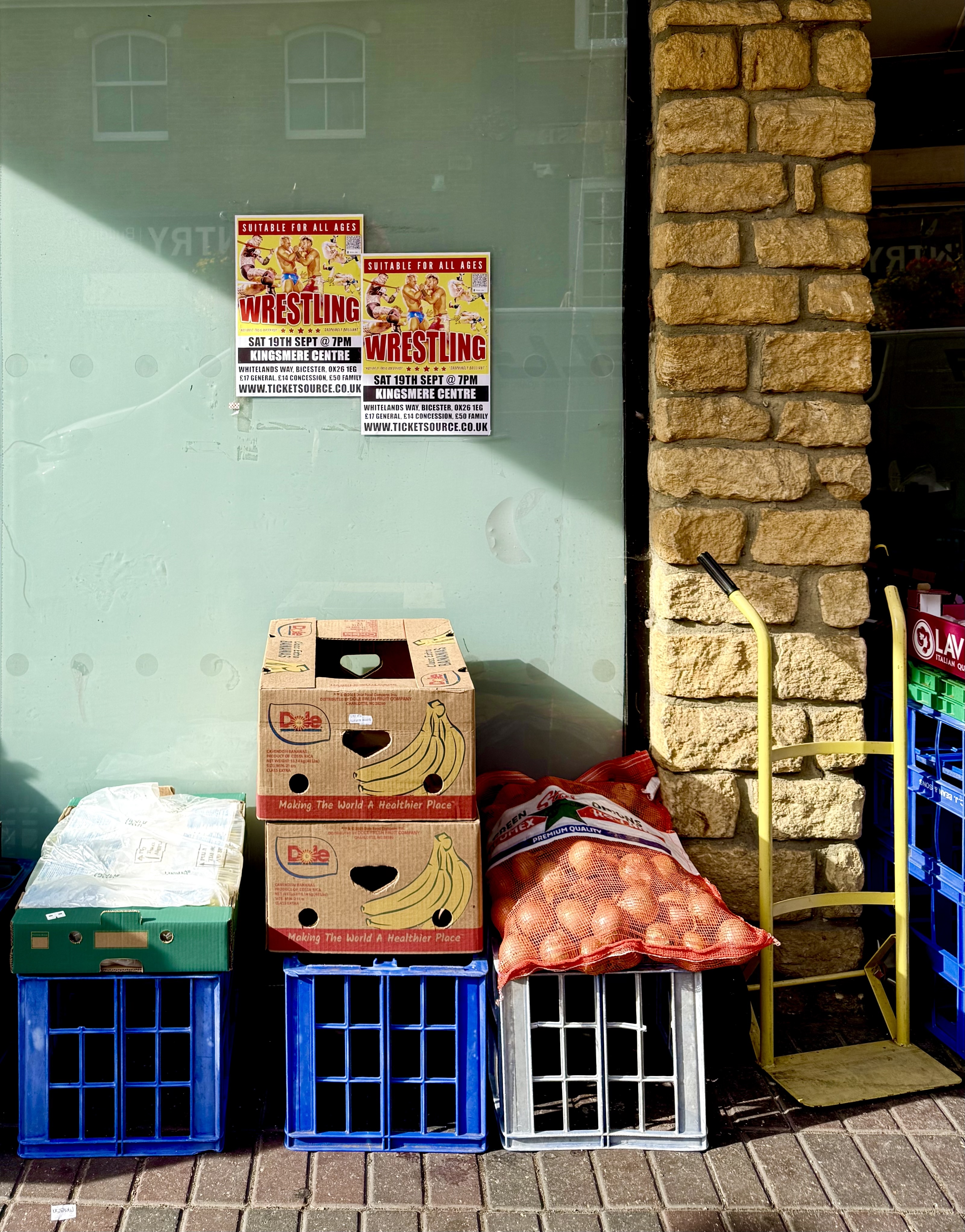
I went out to a local town and, as is my way, took a small camera with me. I spent some time walking around the market and “seeing” what stood out. “Seeing” means more to someone studying this course than to others. It is not “looking” — it is more than that. I was drawn to the scene in the image above by two distinct elements. Firstly, the wrestling posters.

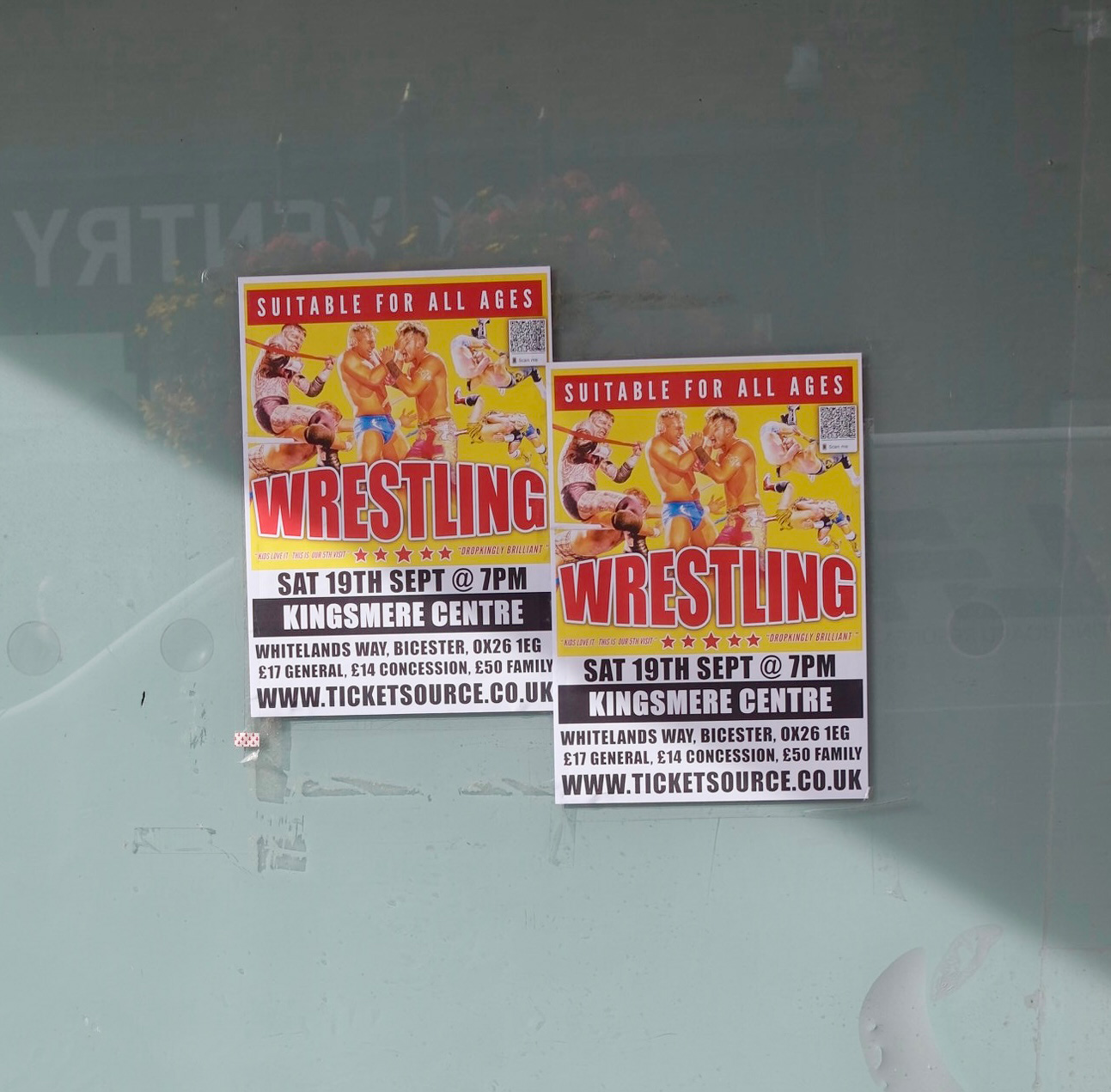
They could have been taken from earlier times. The ticket pricing would be the giveaway. I like “Dropkickingly Brilliant” and “Suitable for all ages” despite people being thrown all over the place. But there is something else here: the wider image sets the context for the type of event. This is not WWF in a major arena; this is a very local event. And I liked the arrangement of the crates. But perhaps the most interesting part of my thought process (and I attribute this to my recent reading) was that I could not fit the yellow trolley into the frame with my camera, so I switched to my iPhone and got a wider angle. Seeing vs. looking? Maybe, maybe not, but the thinking is there, and I will take that at this stage.

The second key element is the light. In the wider image, the bananas and onions (and the yellow trolley) are on stage, and the shaft of light adds value to the scene in my view. In the close-up (this is a crop of the camera image), it could be used to produce a presentable square image, and I will return to this at some point.

I am already wondering whether I will look back on this image in two years and shake my head. I hope not; the scene made me smile and think regardless.

The start of it all

September 1st

I have been considering pursuing a Masters in Photography for some time. Having studied Computer Science, Business Studies, and, most recently, Law, I felt drawn to an intellectual challenge in a field I enjoy. So, here I am, in the onboarding phase of an MA in Photography at Falmouth University. While working through the pre-reads, I found the recommendation to start a blog. This is the start of it all: the blog, the course, and what might be called the “journey”.

Having read some of the recommended books, I have a sense of how the course will help shape me as a photographer, not in a technical sense, but in a philosophical one. I imagine graduates of this course move from looking at pictures to seeing images; from taking snapshots to making photographs, from filling Lightroom with thousands of average images to curating a portfolio of meaningful pieces. Lofty ambitions for me, maybe?

I have always respected and enjoyed the work of some of the greats. I have books by Annie Leibovitz, Steve McCurry, Robert Frank, Martin Parr, and others. I have their prints on the wall. And I have zines created by artists who, while less well-known, appeal to my taste, such as Marc Wilson. I am hoping the course will help me appreciate these bodies of work more deeply. They are my inspiration and inform how I engage with photography, so by understanding more of why they made the images they did, there is a chance that inspiration is strengthened and my own work can become more relevant.