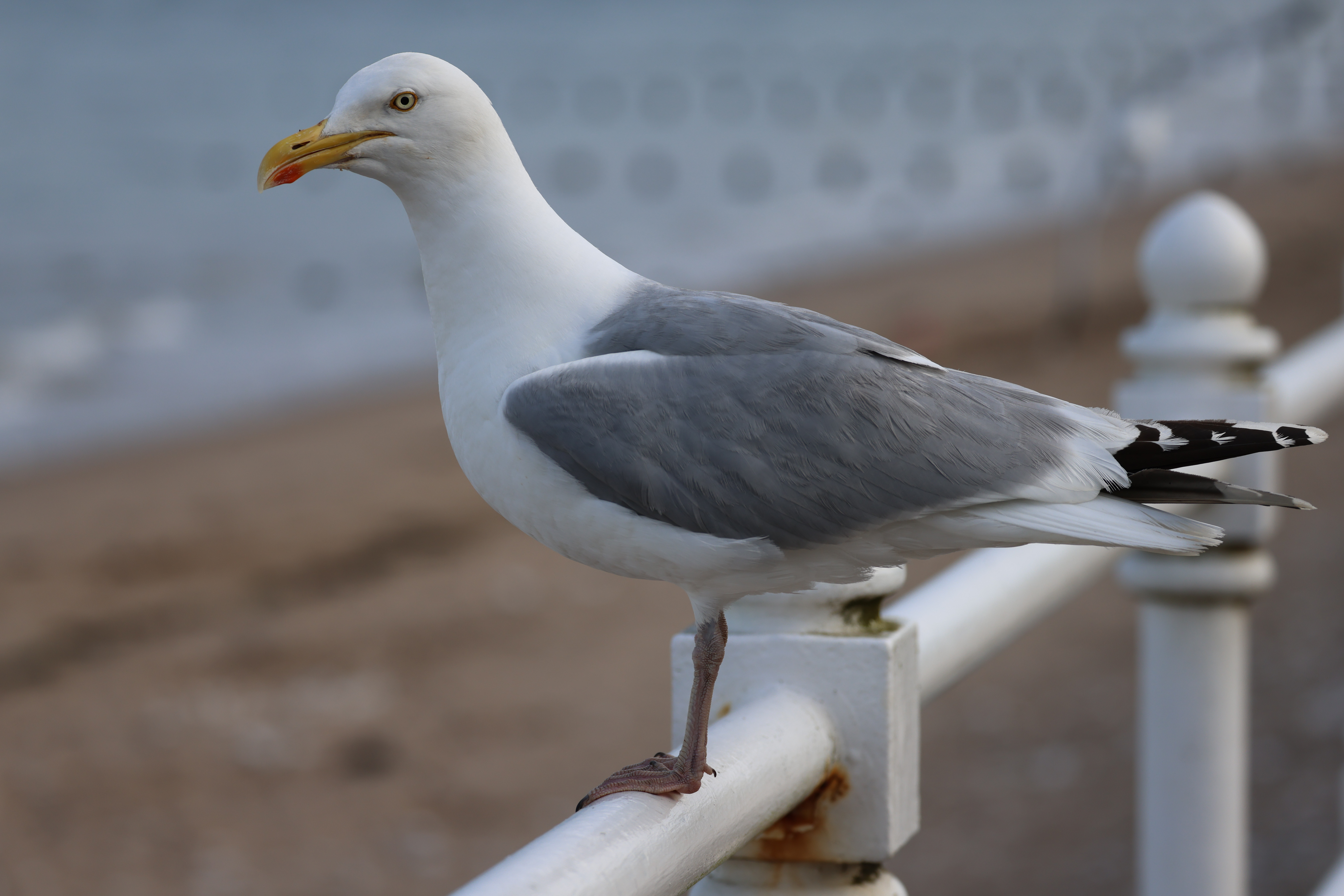
Progression

This week, there is an assignment to complete. The deliverable is a 7-minute (maximum) Pecha Kucha-style reflective presentation. The slides and commentary must take the audience on my photographic journey.

I started photography by taking record shots of various birds I saw on my travels. Some birds might be very common, while others might be unusual or in an unusual location. And for these, the powers that be like to see a record shot. I wouldn’t need it for my gull, but I might for an American Robin in London. As you can imagine, these shots are often snatched glimpses of a moving target. Composition and lighting aren’t priorities.

So I had many (thousands) images (snapshots) of various birds and actually other wildlife captured over many years.

As I have become more interested in photography, so the range of subjects I have approached has expanded.
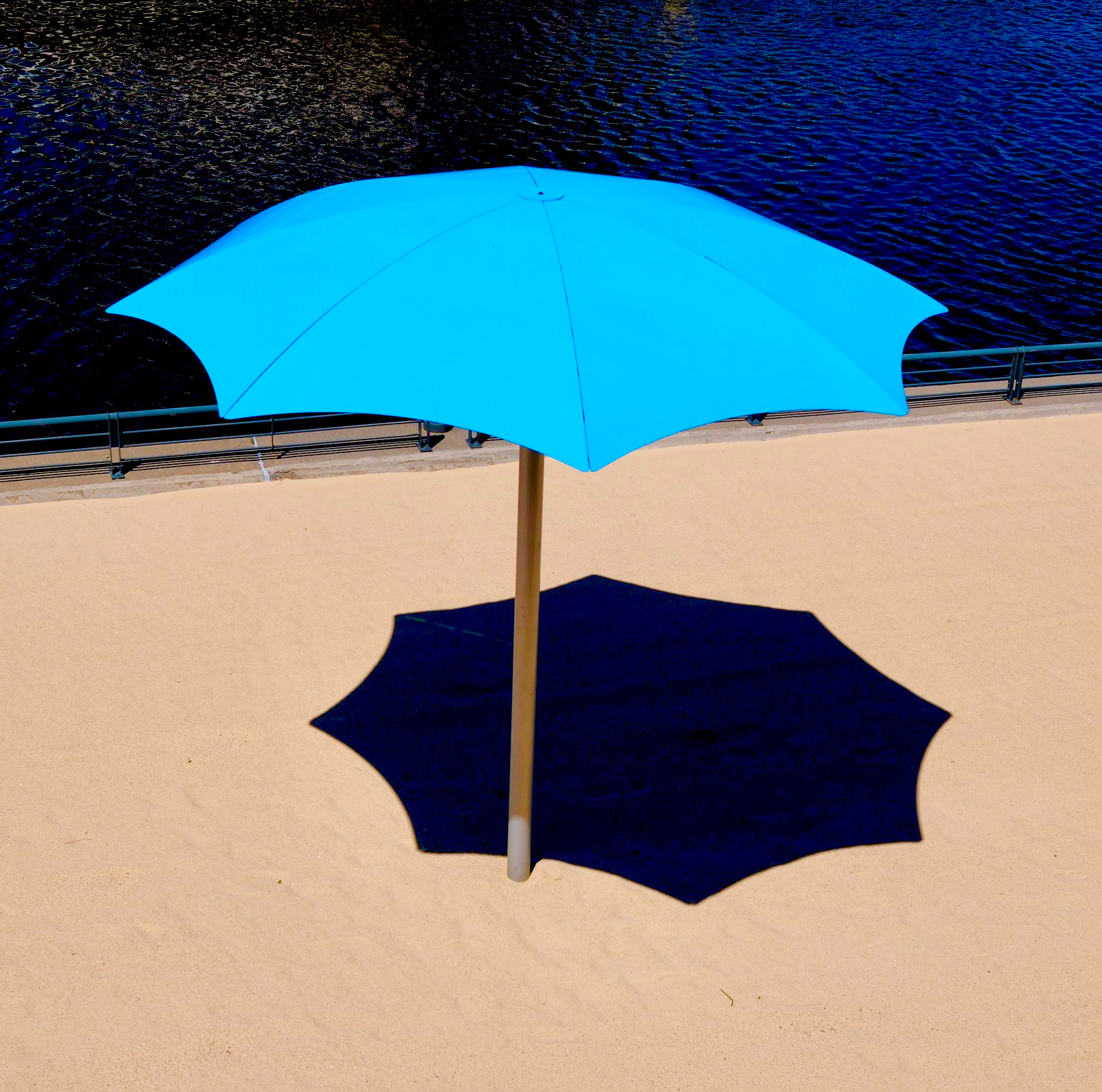
I have become experimental at times, looking at colour and shadows. This umbrella caught my eye in Montreal.
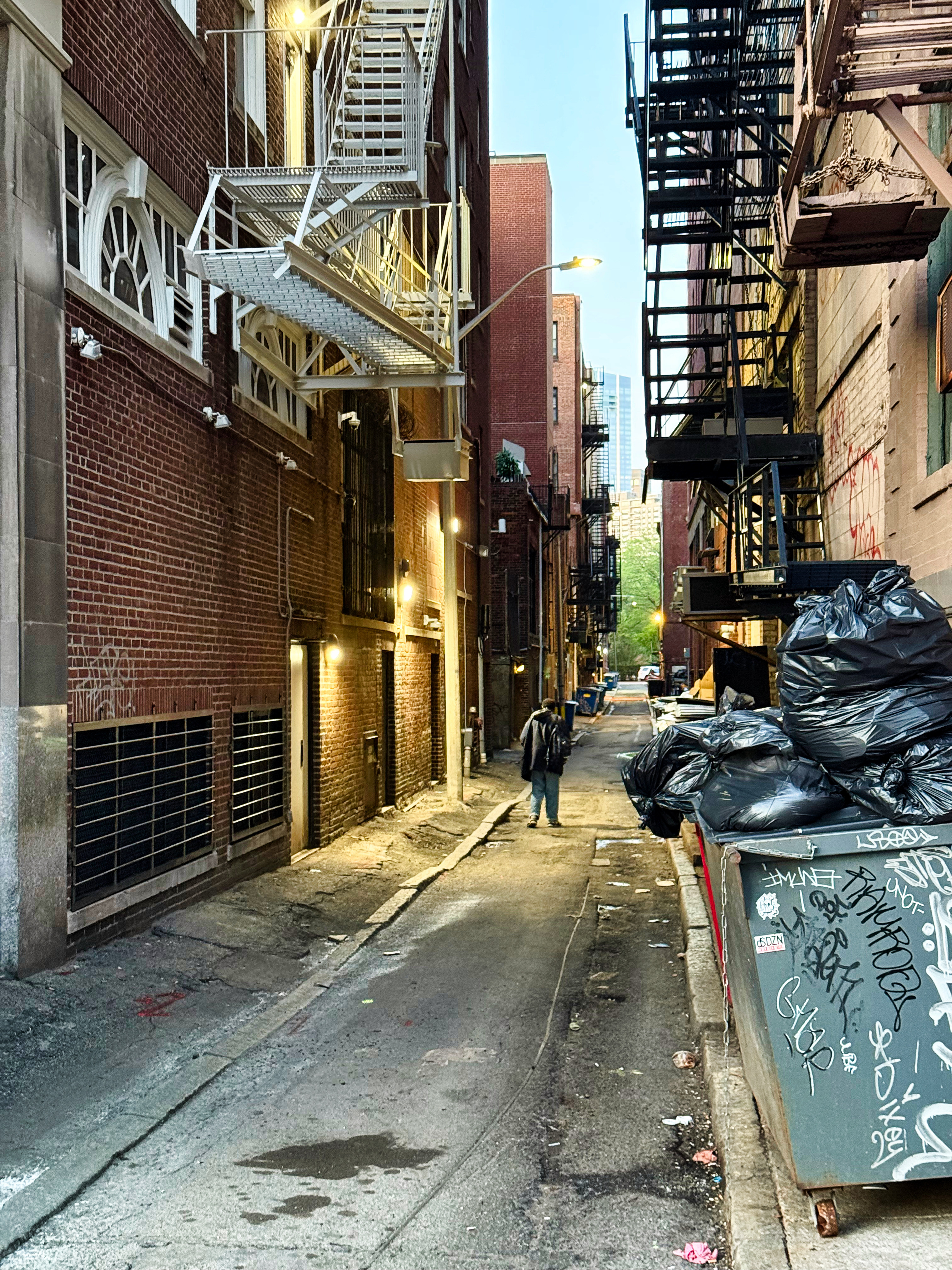
And I have picked up on themes; one project photographing alleys in Boston (above) and other major cities.

My approach has evolved. My photography has become more thoughtful, and I now make far fewer images. This is partly because I ask whether the scene adds value to a potential audience, and partly because each image takes longer to compose now. This is a very good thing. I still have a long way to go – but I have some idea of the road ahead.

Now…..onto that slide deck.
Volunteers

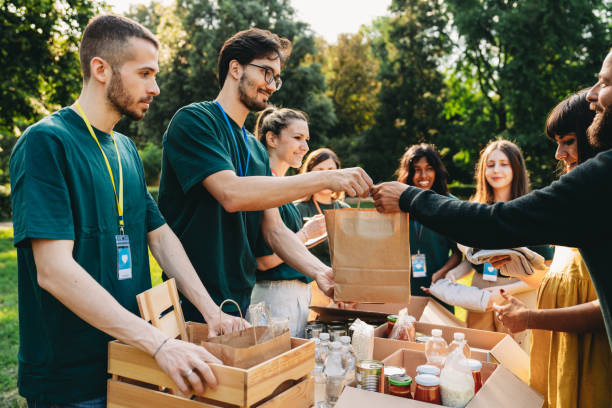
Filippo Bacci (Image sourced Getty Images)

This week’s task calls for some research. I’ll share more details about my chosen project in a future post, but a central theme will be volunteers. Before creating images, the course requires research to establish how other photographers may have covered the subject of my project. This week, I will access the online library and other sources to see previously published work covering volunteers. There are many images in a style similar to the one above by Filippo Bacci. The picture is very literal; it leaves little to the imagination. The volunteers are signified by a uniform; one wears a lanyard. The packages are being passed from left to right. The recipients’ dignity is protected by minimizing their presence in the frame. There is enough to show the recipients are happy.

I want to work a different angle. The viewer will be able to appreciate the theme, but in the context of staff supporting customers ot patrons. My volunteers will be covering a variety of jobs, including some that are technically demanding. I have no fixed idea of where the project will end. Instead, I will look for inspiration as I begin to build the collection of images.

The university provides access to academic journals as well as seminal texts that sit on an extensive reading list. This both provides a large target set to base the research on and requires discipline. It would be easy to go too wide and lose focus. Falmouth promotes a research/practice model. Once I have a research baseline, I will make images, and then the process repeats. My own images themselves become research material.